
Sustainable Sourcing: Meeting the Current Demand for Organic Herbs in Tshwane


The growing demand for organic herbs in Tshwane is a reflection of the global shift towards more sustainable and healthy living. As consumers become more conscious of what they consume, the need for responsibly sourced organic herbs has never been higher. This trend provides both challenges and opportunities for local farmers and suppliers.

Understanding Sustainable Sourcing
Sustainable sourcing focuses on acquiring products in a way that is environmentally friendly and socially responsible. For organic herbs, this means ensuring that the farming practices do not harm the environment and provide fair conditions for workers. This involves using natural pest control methods, crop rotation, and organic fertilizers.
By adopting sustainable sourcing practices, farmers in Tshwane can not only meet the rising demand but also contribute positively to the environment. This approach helps in maintaining soil health, conserving water, and reducing carbon footprints.
The Local Market Dynamics
In Tshwane, the market for organic herbs is expanding rapidly. Consumers are looking for high-quality, fresh herbs grown without synthetic chemicals. This presents a lucrative opportunity for local farmers willing to transition to organic practices. However, it requires an investment in education and resources to meet organic certification standards.
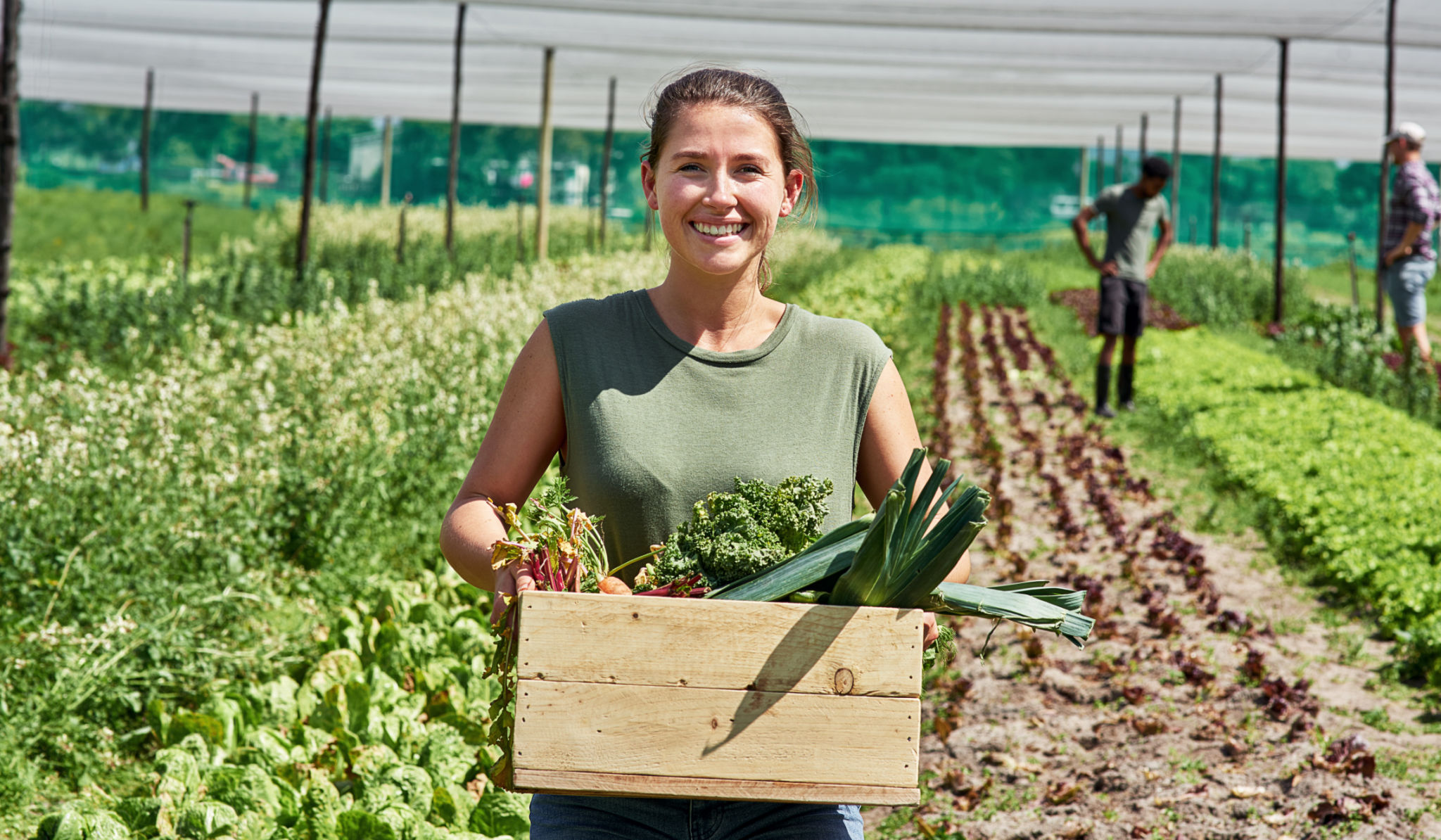
Additionally, partnerships with local markets and retailers are crucial for distributing these sustainably sourced herbs. By building strong relationships, farmers can ensure a steady demand for their products.
Challenges in Sustainable Sourcing
While the benefits are clear, farmers face challenges in transitioning to organic methods. The initial costs and learning curve can be significant. Access to organic seeds, effective pest management solutions, and certification processes are common hurdles.
Furthermore, climate change poses a risk to stable herb production. Unpredictable weather patterns can affect growth cycles, requiring farmers to adopt innovative farming techniques to mitigate these challenges.
Strategies for Success
To successfully implement sustainable sourcing, farmers in Tshwane can consider the following strategies:
- Investing in education and training on organic farming techniques.
- Collaborating with agricultural experts to improve crop resilience.
- Utilizing technology to monitor soil and climate conditions.
- Engaging with community-supported agriculture (CSA) programs to ensure a consistent customer base.

The Future of Organic Herbs in Tshwane
The future looks promising for organic herbs in Tshwane. As awareness grows, more consumers are likely to make the switch to organic products, driving further demand. This trend encourages innovation and sustainability within the agricultural sector.
By embracing sustainable sourcing, local farmers not only meet consumer demands but also play a crucial role in promoting environmental stewardship. The emphasis on organic farming contributes to a healthier ecosystem while supporting the local economy.
In conclusion, the journey towards sustainable sourcing in Tshwane is filled with potential. By overcoming challenges and adopting best practices, the region can establish itself as a leader in the production of organic herbs, meeting both local and global demands.